17

Why America Stopped Caring About Space Exploration

Talk to any scientist and they’ll tell you that the United States is suffering from a lack of vision. We’re not funding research and development, we’re not looking towards the future, and worst of all we’ve given up on exploration. The US government has all but mothballed the space program. The most powerful nation in the world no longer has the means to send people into outer space. The Russians can do it, we can’t.

What happened? People stopped caring. No one minds the idea of exploration in general, but most polls show that no one is interested enough in it to let the government spend any money on it. Americans no longer really care about the space program. The public outcry over the end of the shuttle program was almost non-existent. Stop anyone on the street and they’ll tell you that it was fun while it lasted, but ultimately all a big waste of money. You’ll get a speech about how we should care more about what’s happening on our planet, rather than waste time thinking about the stars. But that’s not a real reason, just a half-baked excuse. I believe the truth about why exploration no longer matters to America is far more complex and deep rooted, and the solution lies almost entirely on how we treat the next generation of future explorers.

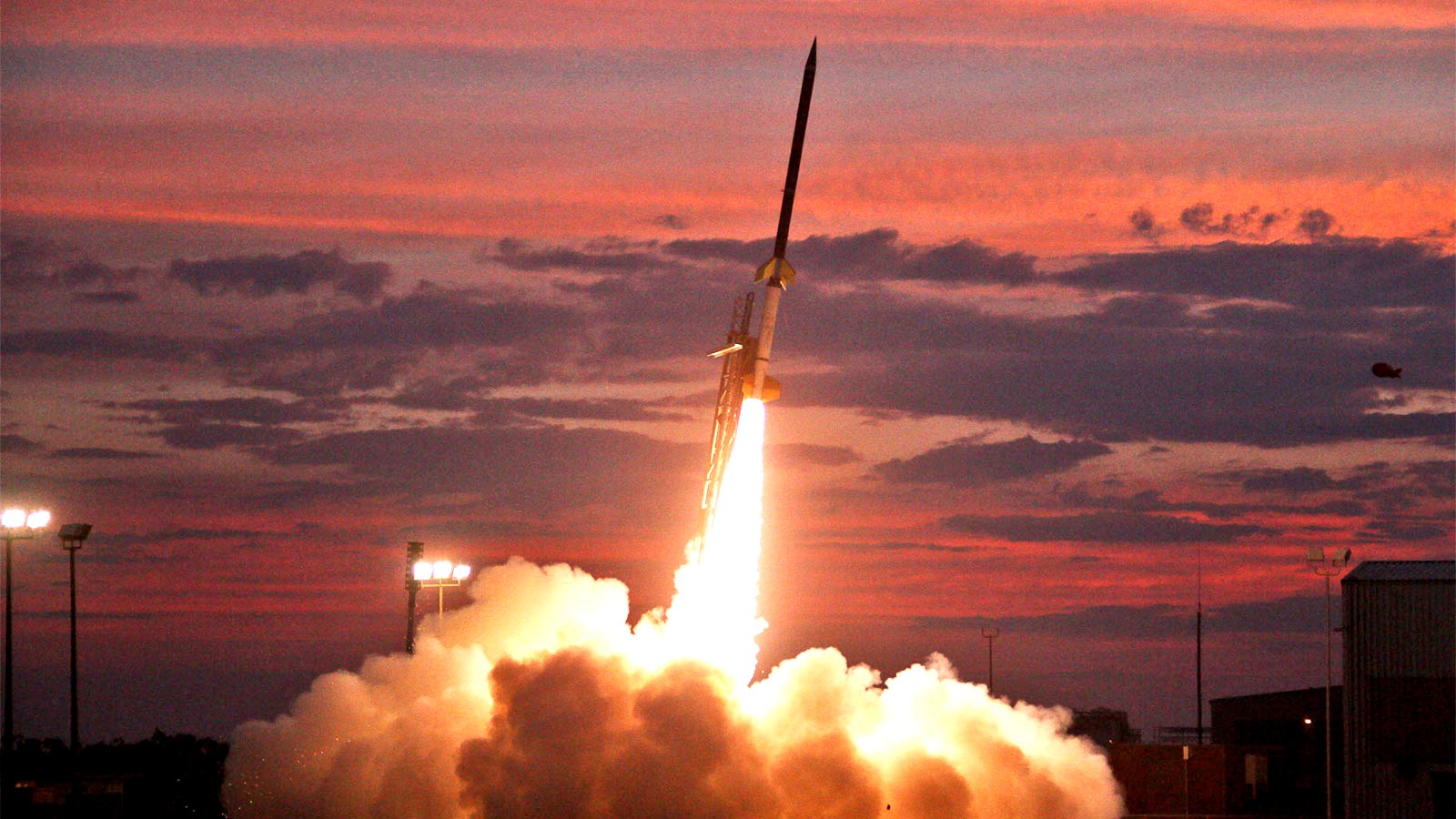
I was nine-years-old and watching, when the Space Shuttle Challenger exploded in the skies over Florida. It was just after lunch on a school day in Texas, and our teachers had gathered the entirety of Leon Heights Elementary School back into the cafeteria to watch the space shuttle launch. We’d done this before, the school often made a big deal out of space shuttle launches, and we’d watch them live on little rollout televisions if they happened during the school day. This one in particular was special, they told us, because a teacher just like one of them, was going up into space on this rocket powered shuttle.

7

German ROSAT Satellite Hurtling Towards Earth Will Crash As Early As Tomorrow

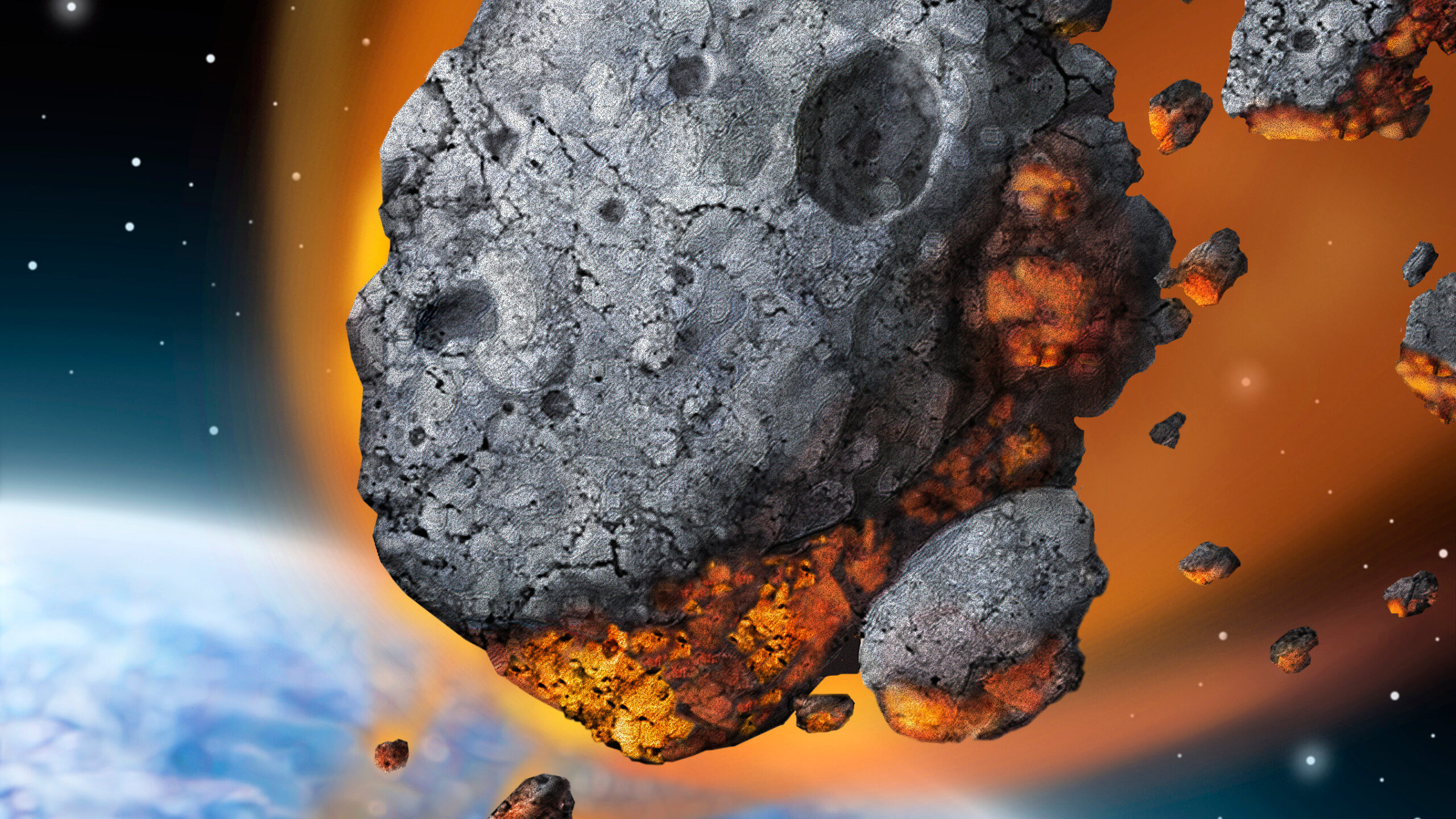
When we as Earthlings put satellites in space it’s usually to further our race and improve the technology we use to survive. Rarely do we expect to wind up in an extra-terrestrial game of chicken with pieces of said satellite once it’s outlived its use, but that’s the situation we currently find ourselves in with ROSAT.

ROSAT, a German satellite that was launched in 1990 and retired in 1999, and used to expand our knowledge of black holes and neutron stars, is on its way back to Earth but not in any sort of controlled manner. It has been out of commission for over a decade and its decaying orbit has finally diminished enough for the satellite to begin reentry into our atmosphere. According to the Huffington Post, experts don’t know where exactly the pieces will come down, but they don’t expect them to hit in the U.S. or Europe…because they have their fingers crossed.

Andreas Schuetz was able to give some super vague details about where it will hit and what exactly will make its way to the surface and not burn up in the atmosphere. Anyone between 53 north and 53 south longitude could potentially get whacked with ROSAT’s heat resistant mirror, which will likely be the largest piece to make it to the surface. And since 53N to 53S comprises just about all of the world aside from the arctic and antarctic zones, we are all targets.

Does this not feel a little irresponsible to anyone else, just letting 1.87 tons of metal and glass smash into the Earth and hoping for the best? Currently the satellite is traveling at 17,400 miles per hour, and of course that will slow down drastically once it enters the atmosphere, but this could still potentially cause a fair amount of damage, injury or death. Recently, a NASA satellite splashed down in the Pacific ocean, but even then pieces of the satellite were strewn about a 500-mile stretch of Earth. Should they not have gone up to get it?

Moving forward I’d like to think that a multi-billion dollar government program would be able to make this process a little more safe. But until then, your chances of being struck by one of these is about 1 in 14 trillion, but still be ready to duck and cover this weekend just in case.

20

Russia Planning A Moon Colony Built Inside Lunar Lava Tubes

The United States may have won the first leg of the space race, but the Russians are winning the space marathon. While America mothballs its space program and cuts funding, the Russians are not only continuing on with theirs… they’re making plans to be the first country to establish a base on the moon.

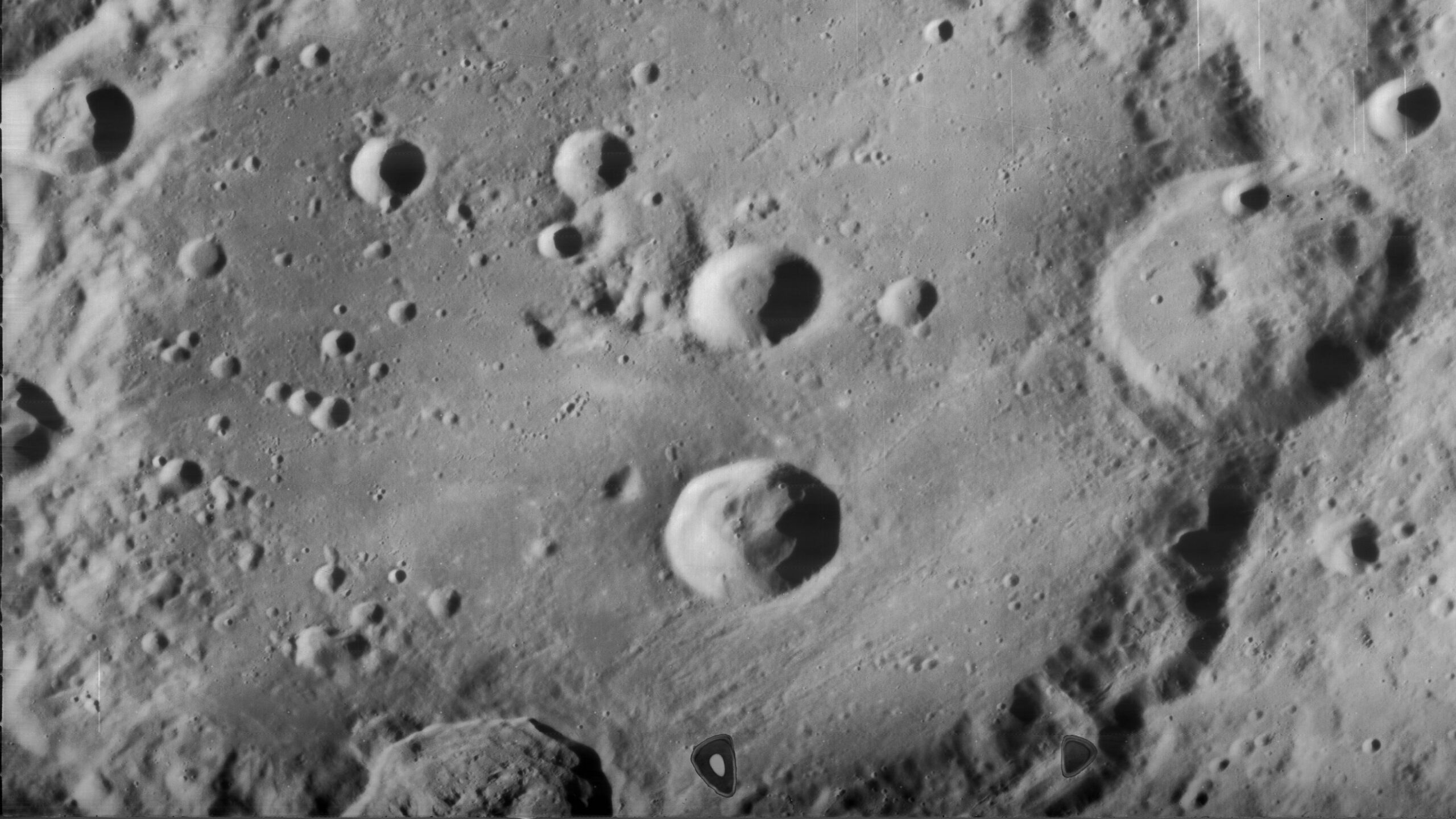
Researchers have recently discovered volcanic tunnels on the moon and Russia is considering using those tunnels to house a moon colony. The head of Russia’s Star City cosmonaut training center outside Moscow tells Reuters that this discovery could make establishing a permanent colony easier. He explains, “There wouldn’t be any need to dig the lunar soil and build walls and ceilings. It would be enough to use an inflatable module with a hard outer shell to — roughly speaking — seal the caves.”

It sounds like this plan is still in early stages but Russia’s cosmonauts seem to think they can get this done by as soon as 2030. Remember, unlike the United States they still have a space fleet. This may seem far fetched, but while they’re still running missions to the International Space Station, American scientists are forced to do little more than hitch rides on their ships. The idea makes a lot of sense, and with America out of the picture, Russia may be the only nation in the world which can actually pull it off.

0

Sci-Fi In Real Life: FTL Neutrinos May Make Time Travel Possible

The ever-interesting “Ask a Physist” column over at i09 tackles an issue close to the hearts of many sci-fi fans: faster than light travel.  Scientists involved in the OPERA experiment – connected to CERN – have measured subatomic particles traveling faster than the speed of light. If you want a deep explanation of the actual science involved, you should head over to the column at i09.  If you want to really get down with the math, you should go to Dr Dave Goldberg’s equation-laden explanation over at his blog.  What I can do is give you a quick and dirty rundown.


The OPERA experiment recorded that neutrinos – those electrically neutral subatomic particles you learned about in your high school physics class and then probably forgot existed – can travel about 2 parts in 100,000 faster than the speed of light.  Fairly insignificant, but Goldberg says “it’s only a matter of fine tuning to get any superluminal speed we like” after the light barrier is broken. Pair this with their potential to travel interstellar distances (their weak interactions mean they don’t mess with other things on the way), and the scientific world is a-buzz.  Goldberg is still skeptical as to whether OPERA’s current experiments will be replicated or hold up under heavier scrutiny but says that (if the results do hold) “the simple ability to send signals faster than light would allow us, in a very real way, to affect the past”.  You could send a message to someone, have them receive it before you sent it, then get their response to that message before you sent your original one.  Crazy, right?

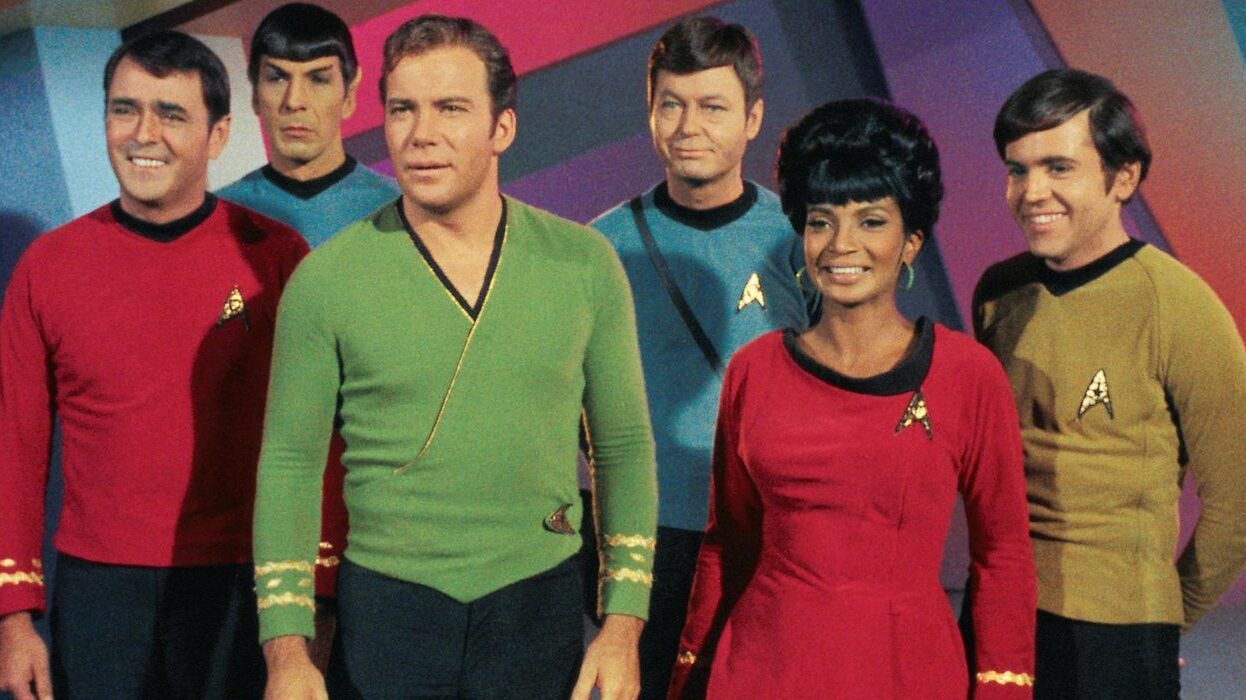
Obviously, this isn’t full-on Doctor Who or Star Trek: The Voyage Home time travel, but it does still raise a host of interesting questions and potential paradoxes.  Would you choose to essentially change history, if you could send or receive messages about events before they happened?  What new information could we learn if we could communicate with the past or future?  Does this have something to do with how Hope Plaza communicates with Terra Nova?