26

Stargate SG-1 Turns Space Exploration Into Conspiracy And Theft In Futures Past

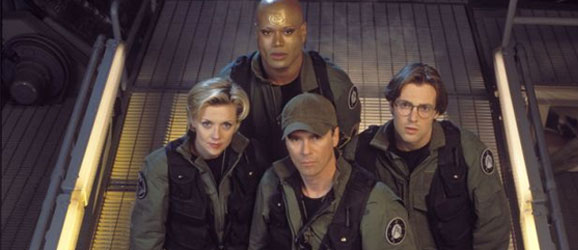
This week my regular obsession with the way we used to see the future ends up in the midst of a massive government conspiracy involving the use of ancient mythology to fight off an alien invasion in Stargate SG-1. There’s no shortage of adventure, but along the way just what did Stargate really have to say about humanity? To find out, take a wormhole with me through the latest installment in GFR’s ongoing series, Futures Past

Being based on the 1994 science fiction movie Stargate was both the best and the worst thing to happen to the television spin-off Stargate SG-1. It meant a ready-made mythology and a built in audience to launch a new science fiction franchise, but it also meant they were stuck with a few ideas that never really fit the concept’s new televised science fiction format.

Stargate SG-1 debuted in 1997, smack dab in the middle of one of the most economically prosperous and optimistic periods in the history of the United States. The show, however, was produced in Canada so maybe they never got the memo. Unlike previous science fiction endeavors which imagined a hopeful and possibly better world filled with human exploration reaching out into the stars, SG-1 had something less Utopian and perhaps in its own way also more realistic, in mind.

7

Battle Beyond The Stars Promises A Scotch Belt For Everyone In Futures Past

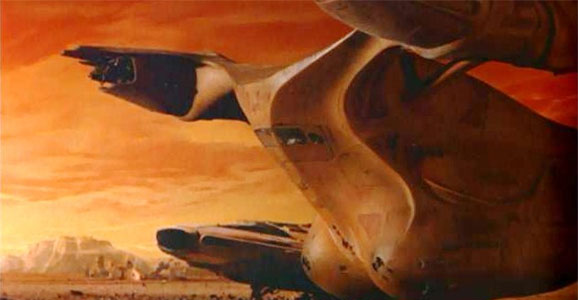
This week my regular obsession with the way we used to see the future takes me to the peaceful planet of Akir, under siege from a vicious warlord and in need of a few heroes in Battle Beyond the Stars. You’ll get a meal and a place to hide with the latest installment in GFR’s ongoing series, Futures Past.

Set far enough in the future that humans have become space truckers, Battle Beyond the Stars follows a farm boy named Shad, sent out into the cosmos on a search for warriors who can defend his home planet against the space tyrant Sador and his Malmori army of mutants. He goes forth in the planet’s only space vessel, a Corsair Star Cruiser which has a fussy personality and goes by the oddly chosen name of Nell.

6

Star Blazers Believes Humanity Can Triumph In Futures Past

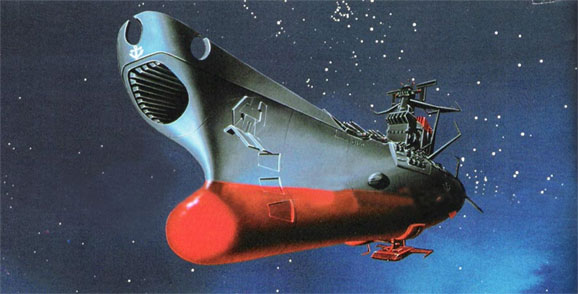
This week my regular obsession with the way we used to see the future takes me off to outer space on a desperate journey across the galaxy to save the human race with our Star Blazers . The Earth will survive with the latest installment in GFR’s ongoing series, Futures Past.

Set in a distant future where Earth has been utterly devastated by vicious attacks from an alien race named the Gamilons, Star Blazers follows the heroic efforts of a group of humans called the Star Force aboard Earth’s last space battleship. Created from the leftover hulk of an ancient sea-faring battleship named the Yamato, the ship is christened the Argo and launched into space with an array of super weapons. Her mission, in the first season at least, is to make an epic journey across the cosmos to a planet called Iscandar where, it’s hoped, a friendly alien power has the technology to restore devastated planet Earth.

Check out the first three episodes (enough to get you up through the Argo’s launch on her epic mission) of Star Blazers embedded below. We’ll talk more afterward. In the meantime, feel free to sing along with the theme song if you know it! We’re off to outer space…

14

Space: 1999 Is The World We Should Be Living Now In Futures Past

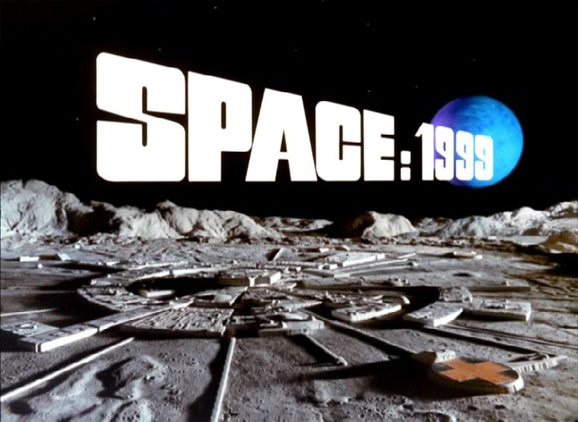
This week my obsession with the way we used to see the future takes me to Earth’s moon, hurtling out of orbit in Space: 1999. Blast off with the latest installment in GFR’s ongoing series, Futures Past, right now.

Six years after Apollo 11′s historic 1969 landing on the moon it seemed as though man was taking the first step to something bigger and grander. By comparison to some of the other science fiction being produced in the time period, Gerry Anderson’s (Thunderbirds, UFO) British produced television series Space: 1999 actually took a fairly conservative approach to what man might accomplish in the depths of space. Yet even Gerry’s view, realistic though it strove to be, turned out to be far too optimistic.

Still, in 1975 it seemed entirely plausible that man would have a permanent base on the lunar surface within the next 25 years. So Anderson set out to make a show based in what, at least then, seemed like an inevitable future.

Here’s Martin Landau in the very first episode of Space: 1999, which was believe it or not, at the time the most expensive television program ever made. Watch it and I’ll see you afterward to discuss how they did at predicting the future…